


Eggs remain one of the most accessible and effective ways to boost daily protein consumption. Learning how to eat eggs for better protein absorption and utilization can make a real difference for anyone aiming to build muscle, recover faster from workouts, or simply improve overall nutrition.
This comprehensive guide explores the science behind eggs as a complete protein source, the best ways to include them in your diet, optimal timing, meal combinations, and why variety still matters. Whether you train intensely or just want higher-quality protein throughout the day, these practical strategies can help you get more from every egg you eat.
Why Eggs Rank Among the Best Protein Foods
Eggs are classified as a complete protein because they contain all nine essential amino acids the human body cannot produce on its own. These amino acids form the building blocks of muscle tissue. One large hard-boiled egg typically delivers about 6.3 grams of high-quality protein, along with a range of vitamins and minerals.
The protein in eggs scores highly on measures of digestibility and biological value. This means the body can absorb and use a large percentage of the amino acids efficiently. For people focused on muscle growth or maintenance, this quality matters more than simply eating large quantities of lower-quality protein sources.
Protein requirements differ based on age, body weight, activity level, and fitness goals. Active individuals and those engaged in resistance training often need more protein than the general recommendation. Meeting total daily needs through a varied diet consistently outperforms any single food focus, including eggs.
How to Eat Eggs for Better Protein: Choose Whole Eggs
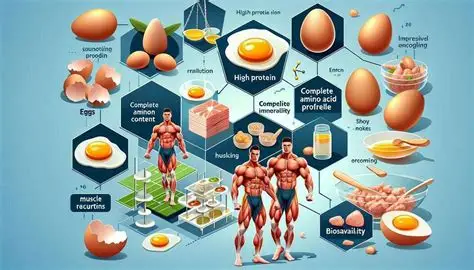
A common misconception is that only egg whites matter for protein. In reality, the yolk contributes additional protein plus valuable nutrients. Whole eggs provide healthy fats, choline (important for brain and muscle function), vitamin D, and antioxidants such as lutein and zeaxanthin.
Eating the entire egg supports better overall nutrient intake without sacrificing protein quality. Nutrition experts note that whole eggs fit well into balanced meals that also supply carbohydrates and healthy fats. Restricting yourself to whites alone removes these benefits and may leave you feeling less satisfied.
Spreading Protein Intake Across the Day
One effective approach to how to eat eggs for better protein utilization is distributing intake throughout the day rather than loading it into a single meal. The body can only use a limited amount of protein at one time for muscle protein synthesis. Spacing servings helps maintain a steady supply of amino acids.
Eggs work well at multiple points:
– Breakfast for sustained energy and fullness
– Mid-morning or afternoon snacks
– Around workouts for recovery support
– As part of an evening meal
This pattern supports muscle repair while helping control hunger and stabilize energy levels.
Best Times to Eat Eggs for Muscle Growth and Recovery
There is no single perfect time that works for everyone. Flexibility based on schedule and preferences is more important than rigid rules.
Morning consumption can increase satiety and provide a steady amino acid supply early in the day. After resistance training, eggs deliver leucine and other essential amino acids that stimulate muscle protein synthesis. Pairing them with carbohydrate-rich foods at this time also helps replenish muscle glycogen stores depleted during exercise.
The International Society of Sports Nutrition emphasizes that consistent daily protein intake combined with progressive resistance training remains the foundation of muscle development. Post-workout nutrition offers support, but it cannot compensate for insufficient total protein or inadequate training stimulus.
Practical Ways to Add Eggs to Daily Meals
Simple cooking methods make eggs easy to prepare and digest. Boiling, steaming, poaching, or soft scrambling preserve nutrients while requiring minimal added fat.
Here are practical ideas for incorporating eggs:
– Breakfast: Pair two or three whole eggs with vegetables such as spinach, tomatoes, or mushrooms, plus a side of whole-grain toast or oats.
– Post-workout: Combine hard-boiled eggs with rice, sweet potatoes, or quinoa for a balanced recovery meal.
– Snacks: Keep pre-boiled eggs in the refrigerator for quick protein boosts.
– Lunch or dinner: Add scrambled or fried eggs to vegetable stir-fries, grain bowls, or salads.
– Higher-protein days: Layer eggs with Greek yogurt, cottage cheese, or lean meat when total needs are elevated.
These combinations improve both protein quantity and the overall nutrient profile of the meal.
Do Not Rely on Eggs as Your Only Protein Source
Even though eggs offer excellent protein quality, they should not form the sole source in the diet. Relying exclusively on any single food limits exposure to a broader range of vitamins, minerals, and bioactive compounds.
A more effective strategy involves rotating protein sources. Include seafood, poultry, lean meats, dairy products, and plant-based options such as beans, lentils, chickpeas, and tofu. This variety supports better micronutrient intake and long-term dietary sustainability.
Nutrition specialists consistently recommend integrating different high-quality proteins rather than attempting to meet all needs with eggs alone. The goal is a diverse plate that delivers complete nutrition alongside adequate protein.
Combining Eggs With Other Nutrients for Better Results
Protein does not work in isolation. Carbohydrates help drive amino acids into muscle cells and restore energy. Healthy fats support hormone production and nutrient absorption.
When learning how to eat eggs for better protein outcomes, consider the full meal context:
– Add complex carbohydrates after training.
– Include fiber-rich vegetables for digestive health and micronutrients.
– Pair with healthy fats such as avocado or olive oil in moderation.
This balanced approach enhances recovery, supports hormone balance, and makes meals more satisfying.
Common Mistakes to Avoid
Several habits can reduce the benefits of eggs:
– Discarding the yolk unnecessarily
– Eating all daily protein in one large sitting
– Relying only on eggs while neglecting other foods
– Overcooking eggs at very high temperatures for extended periods (gentle methods better preserve nutrients)
– Ignoring total daily calorie and protein targets
Addressing these points improves results without requiring extreme changes.
Long-Term Strategy for Muscle Growth and Protein Optimization
Sustainable muscle development depends on three interconnected factors: sufficient high-quality protein from varied sources, consistent progressive resistance training, and adequate rest and recovery. Eggs can play a valuable supporting role within this framework.
Focusing on how to eat eggs for better protein absorption and utilization helps maximize their contribution. By choosing whole eggs, distributing intake across the day, combining them with complementary foods, and maintaining dietary variety, individuals can support both short-term recovery and long-term progress.
Eggs remain an affordable, versatile, and nutrient-dense option for almost any diet. Used thoughtfully as part of a broader nutrition plan, they offer a practical path to higher protein quality and better muscle-supporting outcomes.






Leave a Reply